Red Rocks and Clean Lines: Desert Sanctuaries of the American Southwest
Published by Julianna Morales · December 19, 2024 · 8 min read
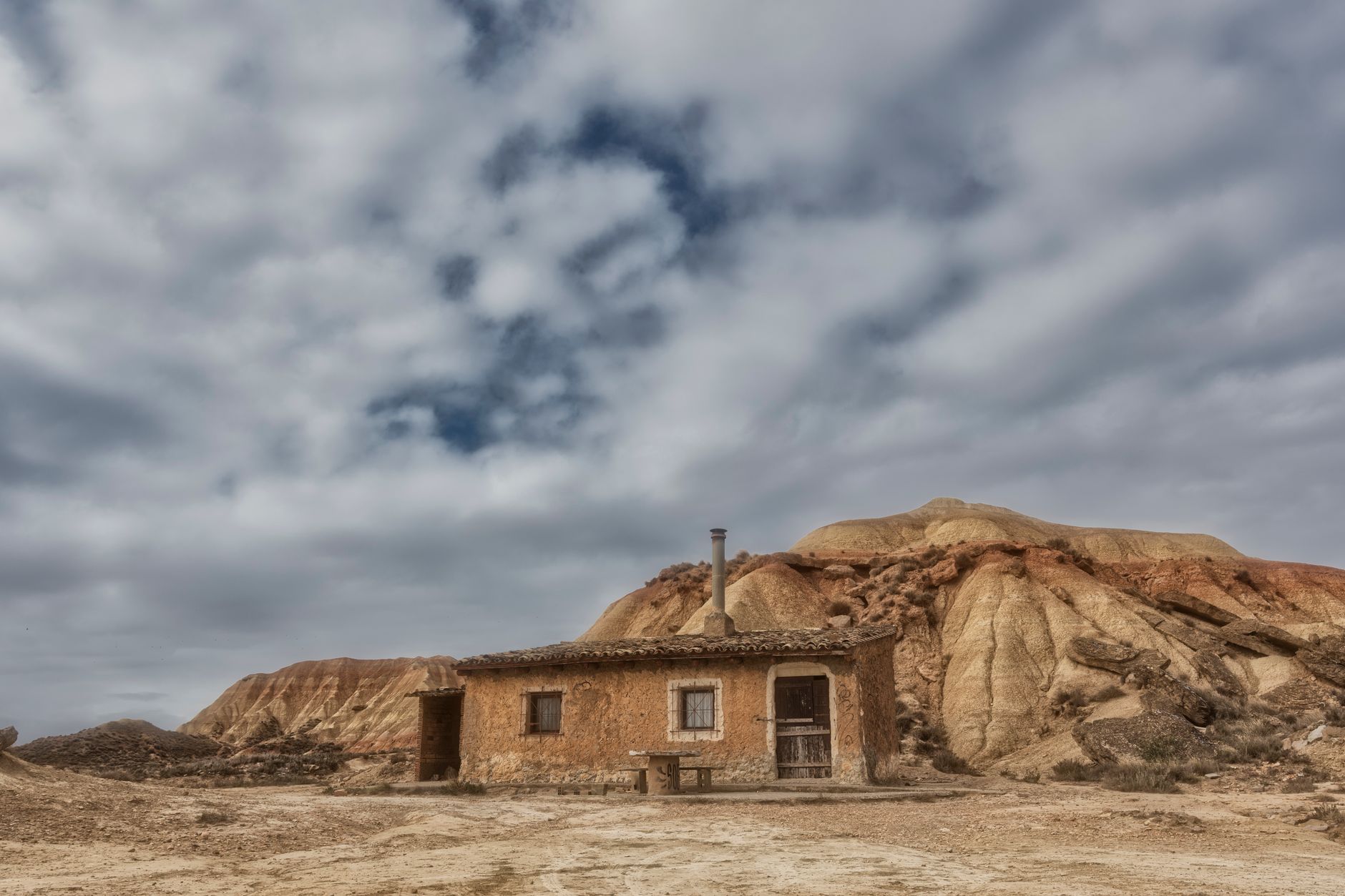
The Colorado Plateau is a landscape that defies human compression. Here, distance is measured in geologic epochs rather than miles.
1. The Scale of Stone
Driving across southern Utah into New Mexico’s high desert basins, the sky expands into an overwhelming dome. Red Entrada sandstone arches and dramatic vertical monoliths rise abruptly from fields of sage and piñon pine.
For decades, travelers associated the American Southwest with roadside motels. Today, a subtle architectural movement has emerged: desert shelters engineered to mirror the geology rather than dominate it.
2. Modernism in Soil
Utilizing compacted sand, clay, and gravel mined directly from site excavations, rammed-earth retreats achieve thermal mass that moderates the brutal forty-degree diurnal temperature swings of the high plateau.
“The desert teaches humility through geometry. One clean wall framing thirty miles of red horizon is all the decoration the soul requires.”
3. Dark Sky Reserves
The true asset of these desert corridors is their acoustic and visual purity. Far from metropolitan light domes, nighttime reveals the Milky Way in striking clarity, offering urban dwellers a rare celestial perspective.
4. Practical Packing
Travelers should carry high-mineral electrolytes, broad-brimmed felt headwear, and warm merino wool layers for evening canyon breezes. Always check dry wash flash-flood advisories before entering back-country trails.
Plan Your Southwest Journey
Inquire about private off-grid lodge selections and tailored astronomical expeditions with 111111.
Request Itinerary