Beyond the Tea Ceremonies: Kyoto’s Hidden Forest Ryokans
Published by Kenji Takahashi · November 02, 2024 · 9 min read
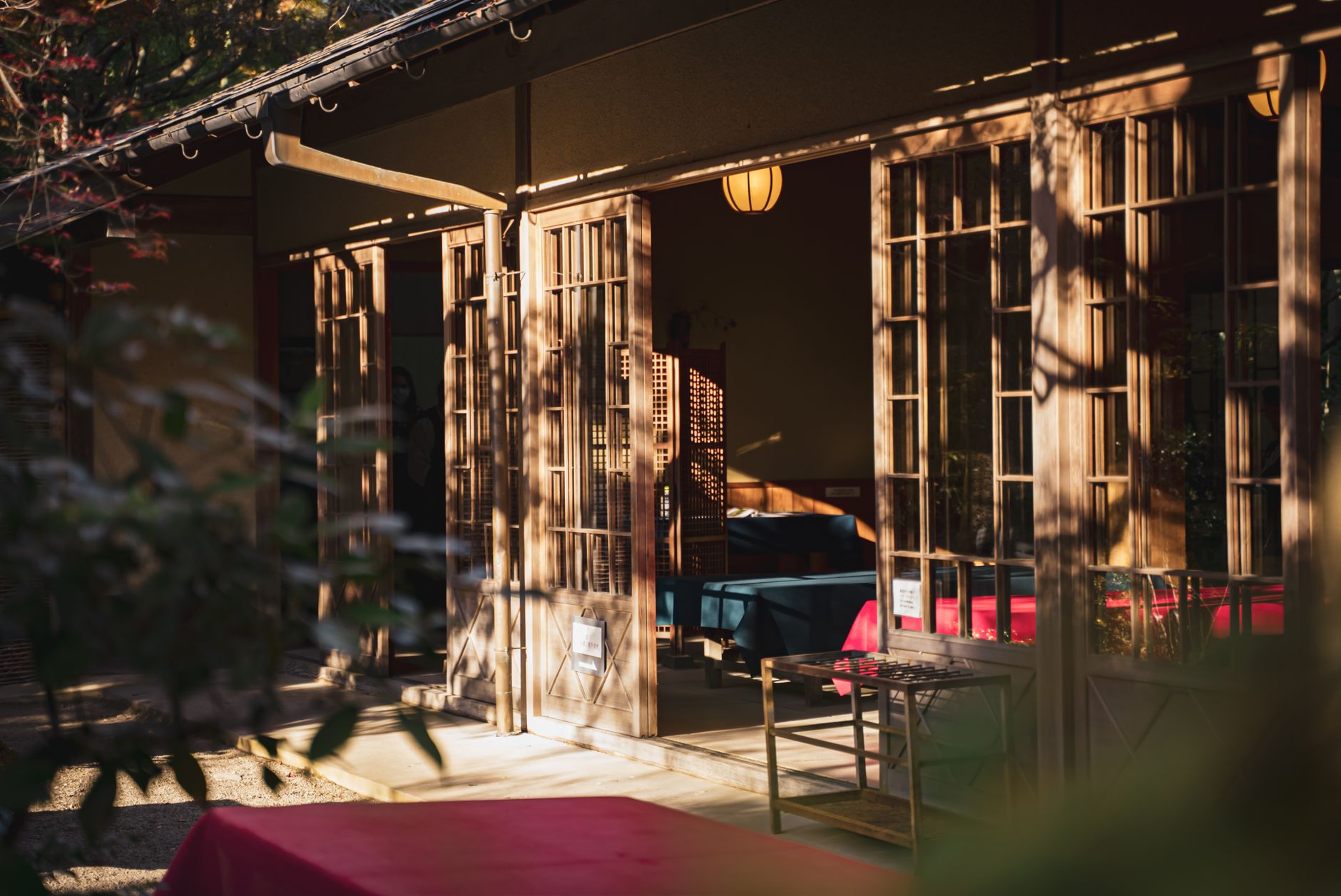
Beyond the crowded bamboo groves of Arashiyama lies a quieter territory where mountain water trickles through hand-planed bamboo flutes.
1. The Northern Ridge
In the hills of Kitayama, cedar trees have been cultivated for over six hundred years using the daisugi technique—a method of harvesting straight, knot-free architectural lumber without felling the mother trunk. It is within these deep cedar folds that our editors sought out traditional wooden ryokans.
These sanctuaries have operated for consecutive centuries under the stewardship of single family lineages, balancing austere beauty with gentle domestic care.
2. Tatami Acoustics
Walking through a well-crafted ryokan is an acoustic education. Reed mats cushion every footfall; sliding paper shoji screens soften incoming daylight into a hazy pearl glow. The silence here is not sterile; it is scored by the distant murmur of mountain springs and wind in the pine boughs.
“We do not build luxury through gold or mirrors, but through the honesty of weathered cypress and the quiet hospitality of a hot bath.”
3. Kaiseki as Landscape
Dinner in northern Kyoto is an edible rendering of the surrounding forest: wild mountain yams, sweet river trout grilled over white oak binchotan charcoal, and bitter wild herbs gathered that very dawn from steep slopes.
4. Etiquette & Booking
Most traditional ryokans accept no more than four to six traveling parties each night. Ensure you notify hosts of dietary restrictions weeks in advance, and observe the sacred ritual of removing footwear at the genkan threshold.
Commission a Japanese Route Dossier
Let our Tokyo and Kyoto correspondents curate your stay in Japan’s most secluded historic inns.
Contact the Concierge